2026-03-15
In de moderne grafische industrie is a Fabrikant van drukplaten speelt een cruciale rol. Of het nu gaat om verpakkingen, uitgeverijen, hoogwaardige etiketten of industrieel drukwerk, de kwaliteit van de drukplaat bepaalt rechtstreeks het uiterlijk van het eindproduct. Naarmate de printtechnologie evolueert, blijven de processen voor het maken van platen zich ontwikkelen, van materiaalselectie tot oppervlaktebehandeling en nauwkeurige procescontrole, waarbij elke stap de printkwaliteit naar hogere normen tilt.
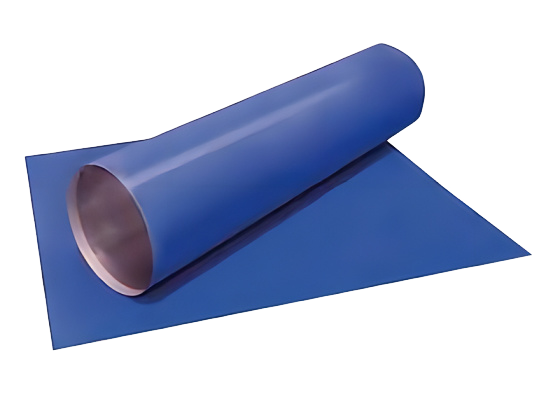
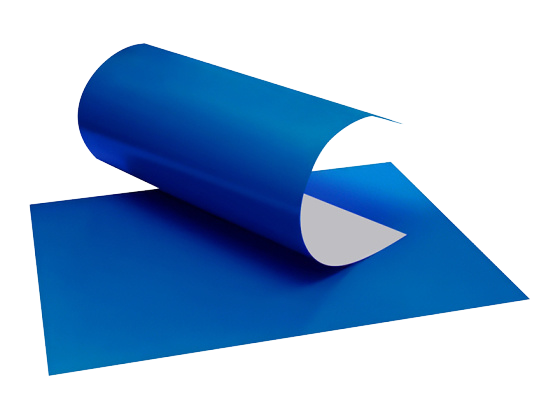
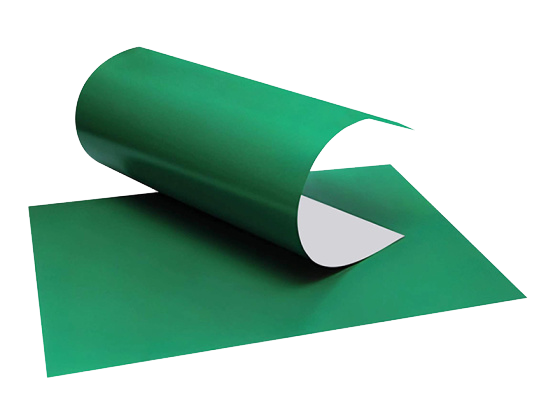
Voor drukplaten is het materiaal niet alleen een drager, maar het kernmedium voor informatieoverdracht. Platen van hoge kwaliteit moeten een stabiele structurele sterkte en uniforme oppervlakteprestaties hebben om de beeldnauwkeurigheid tijdens afdrukken op hoge snelheid te behouden. De vlakheid van het oppervlak beïnvloedt de uniformiteit van de inktoverdracht, terwijl de microstructuur de halftoonprestaties en toonovergangen beïnvloedt.
Moderne drukplaten maken vaak gebruik van meerlaagse composietstructuren, waardoor de hechting tussen het metalen substraat en de lichtgevoelige coating wordt geoptimaliseerd om een hogere resolutie te bereiken tijdens belichting en ontwikkeling. Uitstekende duurzaamheid is ook een belangrijke indicator voor kwaliteit en zorgt voor consistente prestaties over lange runs, wat essentieel is voor hoogwaardige printtoepassingen.
Het technische voordeel van een Fabrikant van drukplaten ligt grotendeels in de precisie van de plaatproductieprocessen. De reguliere methoden zijn verschoven van traditionele technieken naar digitale technologieën, waarbij gebruik wordt gemaakt van uiterst nauwkeurige laserbeeldvorming voor nauwkeurige overdracht van beeldinformatie. Dit verbetert de efficiëntie en vermindert menselijke fouten aanzienlijk.
Belichtingsnauwkeurigheid en ontwikkelingsstabiliteit zijn van cruciaal belang. Geavanceerde systemen kunnen de energieverdeling nauwkeurig regelen om scherpere randen en vloeiendere toonovergangen te garanderen. Nabewerkingstechnieken verbeteren ook de duurzaamheid en corrosieweerstand, waardoor de levensduur van de platen wordt verlengd.
Oppervlaktebehandeling is een belangrijke onderscheidende factor Fabrikant van drukplatens . Speciale coatingtechnologieën verbeteren de hydrofiliteit en inktafstotendheid, waardoor een stabiel evenwicht tussen inkt en water tijdens het printen wordt bereikt. Deze balans is essentieel voor een heldere beeldreproductie en kleurconsistentie.
Microscopische oppervlaktebehandelingen geven platen meer controle op microniveau. Het optimaliseren van de oppervlakteruwheid en poriënstructuur verbetert de inkthechting en vermindert plaatvervuiling. Deze technologieën verbeteren zowel de fijne details als de algehele printkwaliteit.
Met diverse printtoepassingen, Fabrikant van drukplatens moet sterke aanpassingsmogelijkheden bieden. Verschillende drukmethoden hebben verschillende plaatvereisten. Afbeeldingen met een hoge resolutie vereisen een fijne halftooncontrole, terwijl grootschalige productie prioriteit geeft aan duurzaamheid en consistentie.
Bij maatwerk gaat het om het aanpassen van de plaatdikte, coatingstructuur en beeldvormingsmethoden. Flexibiliteit verbetert de efficiëntie en zorgt ervoor dat platen voldoen aan specifieke productiebehoeften. Door de toepassingsscenario's te begrijpen, optimaliseren fabrikanten de prestaties vanaf de ontwerpfase, waardoor latere aanpassingen worden verminderd.
Topklasse Fabrikant van drukplatens implementeren van strikte kwaliteitscontrolesystemen. Van de selectie van grondstoffen tot de inspectie van het eindproduct, elke stap wordt nauwkeurig gecontroleerd. Een stabiele productieomgeving en geavanceerde testapparatuur zorgen voor productconsistentie.
Belangrijke aspecten zijn onder meer het beheersen van batch-tot-batchvariaties om voorspelbare prestaties te garanderen, het verbeteren van de printefficiëntie en het verkorten van de insteltijd van de machine. Door voortdurende procesoptimalisatie kunnen fabrikanten de kwaliteit behouden en tegelijkertijd de leveringsmogelijkheden verbeteren.
Met de toenemende vraag naar milieubescherming en efficiëntie, Fabrikant van drukplatens versnellen de innovatie. Nieuwe milieuvriendelijke coatings verminderen de impact op het milieu terwijl de hoge prestaties behouden blijven. Energiezuinige technieken voor het maken van platen veranderen geleidelijk de traditionele productiemethoden.
Automatisering en intelligente systemen maken het maken van platen nauwkeuriger en controleerbaarder. Datagestuurd beheer maakt realtime monitoring van de productie mogelijk, waardoor snel kan worden gereageerd op procesveranderingen. Deze technologische integratie verbetert de productkwaliteit en zorgt voor een nieuw momentum voor de industrie.
Fabrikant van drukplatens vormen een belangrijke schakel in de toeleveringsketen van de drukkerijsector en hun technische capaciteiten hebben een rechtstreekse invloed op de ontwikkeling van de sector. Van materiaalinnovatie tot procesupgrades, kwaliteitscontrole en maatwerk: elk aspect blijft evolueren. In de toekomst zullen plaatproducten evolueren naar hogere precisie, sterkere stabiliteit en milieuvriendelijkheid, wat een solide ondersteuning zal bieden voor de grafische industrie.
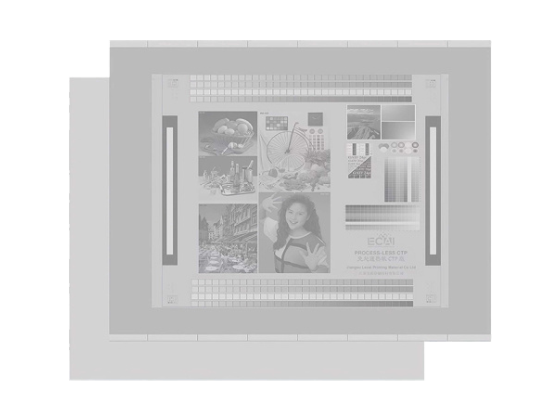
De plaatkwaliteit is rechtstreeks bepalend voor de beeldresolutie en stabiliteit. Hoogwaardige platen zorgen voor duidelijkere details en een uniformere inktoverdracht, waardoor de algehele printkwaliteit verbetert.
Door de materiaalstructuur en oppervlaktebehandelingen te optimaliseren, worden de duurzaamheid en corrosieweerstand verbeterd, waardoor stabiele prestaties behouden blijven tijdens lange printruns.
Belangrijke factoren zijn onder meer de plaatstructuur, het coatingontwerp en de beeldprecisie. Deze bepalen of een plaat voldoet aan specifieke drukeisen.
Digitale plaatproductie biedt superieure precisie, efficiëntie en consistentie, terwijl menselijke tussenkomst wordt verminderd en de productie-uniformiteit wordt verbeterd.
Neem contact met ons op
HOUDEN In contact komen

Mobiele QR -code
Producten
Contactgegevens
No.77, Shengtai Road, Hailing District, Taizhou City, Jiangsu
+86 13961040488+86 19852223565
+86 523 86969522
Auteursrecht © door Jiangsu Lecai Printing Materials Co., Ltd. Rechten voorbehouden.Aangepaste digitale offset -printplaten fabrikanten